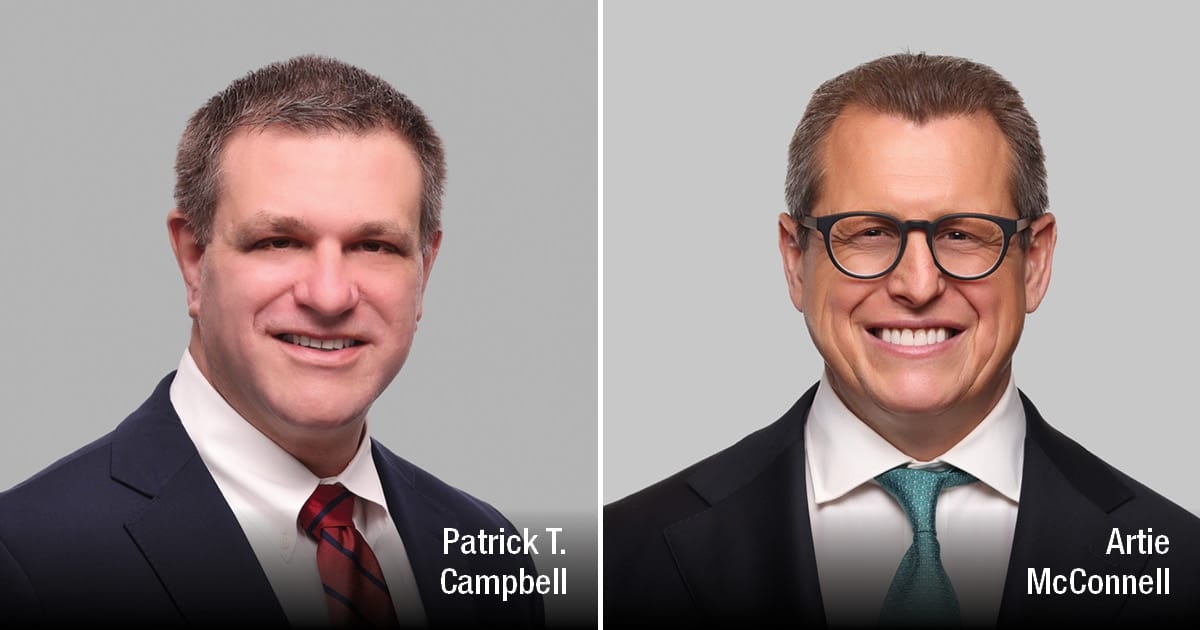
Delaware has joined the growing group of states limiting mandatory workplace meetings concerning unionization. Signed Sept. 30, House Bill 84 adds Section 711B to Delaware’s employment law to prohibit so-called captive audience meetings. The law arrives at a particularly unsettled moment: Current federal labor law decisions restrict compulsory union-related meetings, while the National Labor Relations Board’s (Board) general counsel is seeking to reverse that precedent.
What Delaware’s Law Does
The statute makes it an unlawful employment practice to discharge, take adverse action against or threaten an employee for declining to attend an employer-sponsored meeting or to participate in, receive or listen to employer communications whose purpose is to convey the employer’s opinion on political or religious matters. The term “political matters” includes the decision to join or support a labor organization. Employees working during a covered meeting who choose not to attend must continue to be paid while the meeting is held. The law thus prohibits compelled listening without broadly restricting employers from expressing their views.
The measure permits communications required by law or necessary to perform job duties, along with those regarding specified expectations for educational, public, tax-exempt, religious and political organizations and legally required training. These exceptions are specific, and an employer should not assume that labeling a union-related meeting “training” takes it outside the statute. The statute also places enforcement within the Delaware Department of Labor’s employment practices framework.
A State Law Trend Meets a Federal Law Pivot
Fourteen other states have enacted similar bans: Alaska, California, Connecticut, Hawaii, Illinois, Maine, Maryland, Minnesota, New Jersey, New York, Oregon, Rhode Island, Vermont and Washington. Because the scope and effective dates of these laws vary, multistate employers should assess each applicable statute rather than apply a single national meeting rule.
At the federal level, the Board held in Amazon.com Services, LLC, 373 NLRB No. 136 (2024), that requiring employees to attend meetings where the employer expresses views on unionization violates Section 8(a)(1) of the National Labor Relations Act (NLRA), but voluntary meetings remain permissible. In Memorandum GC 26-04 (Aug. 26, 2026), however, General Counsel Crystal Carey said she is encouraging the NLRB to reverse Amazon and return to the longstanding Babcock & Wilcox, 77 NLRB No. 577 (1948), captive-audience standard, which permitted employers to hold captive-audience meetings as long as they avoided explicit threats, promises of benefits, or interrogations.
Why It Matters
The statutes enacted by Delaware and other states present a two-track compliance challenge. A change in federal law would not automatically displace Delaware’s statute. At the same time, state restrictions face constitutional and NLRA preemption challenges. A California court preliminarily blocked that state’s law in 2025, while challenges in other jurisdictions have encountered procedural hurdles. Whether a particular state restriction is enforceable may therefore turn on future litigation.
Key Takeaways and What Employers Should Do Now
- Delaware’s law does not prohibit employers from expressing views on unionization, politics or religion; however, it permits employees to decline attending or listening to meetings covering such topics.
- Avoid discipline, threats or withholding pay when a Delaware employee declines to attend a covered meeting while working.
- Check the purpose of the communication. The statute covers employer opinions on political or religious matters, including whether to join or support a union, but preserves specified job-related, legally required and other communications.
- Review whether restrictions similar to Delaware’s apply to employees working in other states.
- Monitor both Board developments and challenges to state laws.
The BakerHostetler Labor and Employment Practice Group is available to help employers navigate this evolving patchwork of state laws and assess the implications for workplace communications and labor relations strategy.